Wednesday, July 27, 2022

Financial Considerations for Unretirement - Working After Retirement


Millions of retirees have decided to return to work within just a few years after retiring.  There are many reasons for this, including the high cost of living, inflation, and sometimes simple boredom.  They may return to the job they did before, or try something new.  They may go to work for someone else, or try their hand at self-employment.  Whatever they decide to do, there are some important financial considerations you need to think about anytime you increase your income during retirement.

According to a 2022 report from the Bureau of Labor Statistics, roughly 500,000 people over the age of 55 have re-entered the workforce in  the previous six months.  This represents a significant increase over similar periods of time in the past. A 2018 survey by the Rand Corporation revealed that about 40 percent of American workers over the age of 65, who were still employed, had previously retired at least once in the past!  Returning to work after retirement is a trend which has been increasing for some time.

The decision to return to work late in life can have an impact on your Social Security benefits, pension and tax-deferred retirement accounts and, possibly, your Medicare coverage.  What do you need to consider?

Benefits of Returning to Work after Retirement
There are, of course, a number of benefits to returning to work in your 60s and 70s.  The most obvious one is the increase in income, which can also help you stretch your retirement savings and make them last years longer.  In acknowledgement of this benefit, Congress passed the SECURE Act in 2019 which allowed seniors to push back the age when they must begin taking mandatory withdrawals from their tax deferred 401(k) and IRA plans.  Prior to the SECURE Act, retirees had to begin the required withdrawals at age 70 1/2.  Now they do not have to make the withdrawals until age 72.  This allows their savings to grow a little longer.

Working after retirement also has mental and emotional benefits.  Seniors who work later in life report that they feel a sense of purpose and are more socially connected.  There is also some evidence that working may also help improve their cognitive health.

If you are wondering what types of jobs work best for retirement, you may want to read "What Jobs To Do After Retirement."  (Ad) It is full of great suggestions to help you find the best retirement job for you. 

Cost of Starting Your Own Business 

As I discuss later in this post, you may also want to start your own business. Depending on your background, you might do some tutoring, become a bookkeeper for a local business, write a book, or get paid to coach a local children's soccer team. 

If you are creative, you might also want to sell your products online, including opening your own shop on a site like Etsy.  It will take some effort and computer skills but, if you are patient and willing to put in the time and initial investment in your products, it could be worthwhile for some retirees.  You will have some expenses if you decide to start a business, and you will have to be good at keeping tract of all your expenses, because many of them will be tax deductible. However, if you have some money to get started, and you are good at keeping records, this could be a good option for you. 


If you want to see an example of an Etsy store and get more ideas of what you could sell, check out my Etsy store at:


There are many ways you can earn money after retirement, either through paid employment, or by starting your own business. If you do, though, how could it affect you financially?

A Retirement Job Can Affect your Social Security Benefits

Depending on the age when you return to work, and the amount you earn, your post-retirement job could either increase or decrease the amount you receive in Social Security benefits.  

If your job enables you to postpone collecting your Social Security benefits for a few years, your benefits will be higher when you do begin to collect them.

On the other hand, if you are already receiving benefits when you go back to work and you are younger than your full retirement age of about 67, your benefits will be reduced by $1 for every $2 you earn over 18,960. The year you reach your full retirement age, the government will deduct $1 in benefits for every $3 you earn over $50,520.  These limits are increased regularly, so the actual limit you have could be a little higher.  

Fortunately, once you reach your full retirement age, your earnings will not reduce your benefits, and you can earn as much as you want.  This issue only affects people who begin to collect Social Security in the years before they are eligible for full Social Security.  If you plan to keep working after retirement, this is a good reason NOT to collect your Social Security too soon.

Working Can Affect your Medicare Benefits

If your new job provides health coverage which is approved as your primary healthcare coverage, you can drop your Medicare plan and re-enroll at a future date without a penalty.  However, if you drop your Medicare plan and do not have acceptable employer coverage, you will have a financial penalty when you re-enroll in Medicare, and that penalty will last the rest of your life.  Make sure your new company plan is approved as an alternative to Medicare. Talk to the HR office at your firm, or discuss your situation with a Medicare broker.

In addition, if you drop your current Medigap supplemental insurance plan and later develop a preexisting condition, you may find it difficult to find an affordable Medigap plan later in life.  As a result, some people keep their Medicare plan, even when they are covered under an employer plan.  As I mentioned, it is advisable to speak with a licensed Medicare broker before you make any changes, so you protect yourself now and in the future.

A Retirement Job Can Affect your Pensions and 401(k) Plans

If you are collecting a pension from a former employer and go to work for a different employer, you can usually continue to collect your pension. However, if you receive a pension from a former employer and go back to work for the same employer, there could be some restrictions on working and receiving a pension at the same time.  You could have a waiting period, or might only be allowed to return to your former job part-time, if you want to continue to collect a pension while working. The employer may also suspend your pension temporarily while you work for them. You need to check these concerns out before making a decision to return to your old job. 
Despite these issues, the benefit of returning to work with a former employer is that you may be able to continue to add more contributions to your IRA or 401(k) plan, which will eventually increase what you receive in payments when you finally stop working for good.  

Ultimately, the decision to return to work is up to you.  There are definite benefits to working later in life, both mentally and socially, although you do have to be careful to avoid the pitfalls.  Discuss them with your financial advisors and make sure you take all the necessary precautions before making a final decision about returning to work.  

You may also want to get some ideas from the book "Working After Retirement: 69 Post-retirement Jobs That Can Change Your Life."  (Ad) You may discover some jobs you never even considered before, which could enable you to improve your retirement both financially and socially. 

Examples of Ways to Start Your Own Business

As many of you know, if you follow this Baby-Boomer-Retirement, I have written this blog as a "side-gig" since before I retired nine years ago, and I continue to earn a small income from the advertisements you see here.

However, I have also added a newer business which nearly anyone could do to enhance their income.  I have started an Etsy store, called DeborahDianGifts, with products I personally design, but have professionally manufactured and drop shipped to people who make a purchase. 

If you like to make or design things, whether it is jewelry or wooden cutting boards, you could also list you own creations for sale on Etsy.  

If making or designing products is not for you, some people prefer to resell items from their homes or local thrift stores on Ebay or Shopify. Others provide various services on Fiver, by offering to do things like create a webpage or design logos for you.  Having your own business comes with some responsibilities, but it also has the advantage of allowing you to work your own hours, while still supplementing your retirement income.

Details on this lovely Dolphin Tote Bag

This is an example of just one of well over 100 items I sell on my Etsy store. It is a tote bag I designed using an underwater photo of a mother dolphin with her baby.  There are many ways that people are earning money online but, as mentioned above, you have to run it like a business and keep track of your expenses and tax deductions.

You may discover that opening your own little shop is something you can do, too.  Whatever you decide to do, I wish you luck in finding a retirement job or starting your own business. Just make sure you check out the financial impact as you embark on this new adventure. 

You can find more examples of tote bags, t-shirts, jewelry, framed photos, coffee mugs, gifts for retirees, LGBTQ clothing, and other products on my Etsy Store, DeborahDianGifts. 

Check it out at:

  http://www.etsy.com/shop/DeborahDianGifts

Enjoyed this post? Never miss out on future posts by following us.  You will receive a weekly email with the most current post. 

If you are interested in learning more about saving money, financial planning, Social Security, Medicare, where to retire, common medical issues as you age, travel and more, use the tabs or pull down menu at the top of the page to find links to hundreds of additional helpful articles.

Disclosure: This blog may contain affiliate links. If you decide to make a purchase from an Amazon ad, I'll make a small commission at no extra cost to you.

You are reading from the blog: http://www.baby-boomer-retirement.com

Photo credits: Pixabay and Amazon book covers and DeborahDianGifts on Etsy

Sunday, July 17, 2022

Slow Cognitive Decline with Lifestyle Changes from the Researchers at UCI

What activities could help postpone dementia?

 One of the advantages of living near the University of California in Irvine is the amount of research they do on healthy aging, and their generosity in sharing it with people who live in the area.  In June, 2022, Brian Hitt, MD, PhD from the UCI Department of Neurology shared some of what his department has discovered about the lifestyle factors which may protect your brain from excessive cognitive aging.  It was a fascinating discussion, and I took photos of his slides so I could share what he had to say.

They Have NOT Found a Successful Dementia Treatment

First, is the disappointing news that despite the research that has gone into a number of different medications, UCI researchers have NOT found any over-the-counter or prescription medication that successfully reverses, stops or even slows down dementia, despite all the products we see advertised on television.  UCI researchers have not found any that actually treat dementia, as of July, 2022.  Hopefully this will change in the future, but this is their stance at the current time.

They HAVE Found Risk Factors Which Increase Your Chances of Getting Dementia

If you don't take care of your heart, your risk of dementia is higher.  As a result, the activities you want to avoid include:

Cigarette smoking

Untreated high blood pressure

Untreated blood lipids (cholesterol)

Untreated diabetes

Genetics can also play a role, including the ApoE gene, as well as hundreds of other minor genes.  While not all causes of dementia can be completely controlled, UCI has found that lifestyle factors play a significant role in whether or not some of the troublesome genes are activated.  In other words, even if your genes are working against you, it is still possible to avoid or reduce your risk of dementia if you take care of yourself!

Lifestyle Factors Which are Protective

The higher your educational level and/or the higher your occupational attainment, the less likely you are to develop early dementia ... although it can still happen, just less frequently.

In addition, here are four other lifestyle factors which seem to help people delay cognitive decline:

Physical Activity such as walking, running, cycling, swimming, resistance training, yoga, Pilates, Tai Chi and similar activities.  Surprisingly, they found that no particular physical activity seemed better than others. It was simply important that the person enjoyed them and was willing to do them regularly

Cognitive Activity included interacting regularly with friends and family, belonging to groups, and having a robust social support network.  Social isolation is a strong and consistent predictor of faster cognitive decline.  They found that the Covid pandemic was a particularly difficult time for many of their research subjects, because they isolated more and socialized less. 

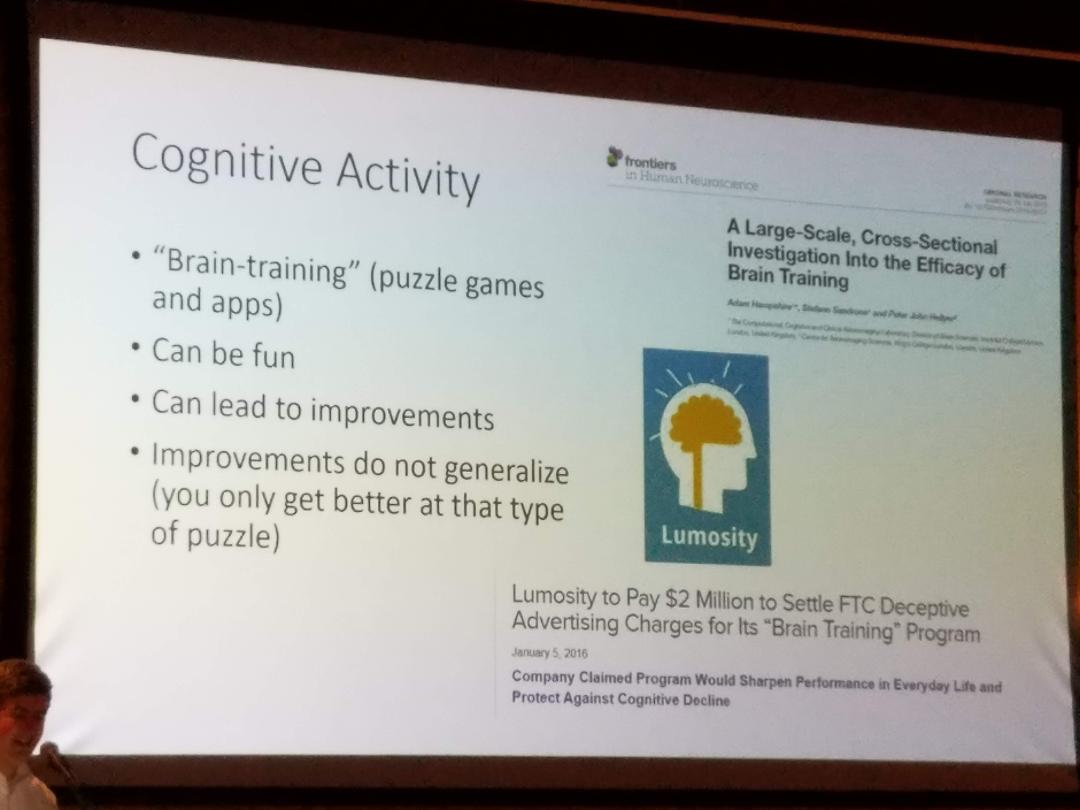
 In addition, it MIGHT help you if you do brain training games.  However, these games do not seem to generalize to improvements in overall cognitive function.  People only tend to get better at doing the particular type of puzzle or game they have been working with.  In fact, the website Lumosity has been sued for false advertising because of the ads they promoted which suggested that their brain games could prevent dementia.  

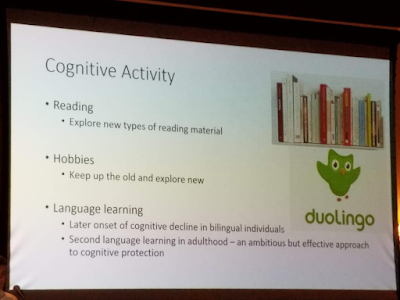
Activities which DID seem to have a more generalized effect in slowing cognitive decline were reading, hobbies, learning a new language and learning music, the items in the slide at the top of this article.  The key to benefiting from these cognitive activities is, like exercise, that you need to enjoy what you are doing and be willing to try to learn new things.  Choosing activities you enjoy makes you more likely to engage in them consistently, and more likely to be willing to share them with other people, which can also benefit you.  Trying something new challenges your brain and helps it make new connections.


Good sleep quality
 helps people in two ways.  It had the short-term benefit of promoting a better mood, and more effective attention and concentration.  The long-term effects of good quality sleep were even more significant.  They included a reduction in" neurotoxicity and neuroinflammation, and slower neurodegeneration."  In other words, a good night's sleep gets rid of toxins and inflammation in the brain and causes it to degenerate more slowly.  Who wouldn't want to be in a better mood, while also getting rid of the toxins and inflammation in their brains?  Try to get around 7 to 8 hours of sleep per night.

If you have sleep problems such as sleep apnea, snoring, gasping, or insomnia, you should talk to your doctor, get a sleep study done, and get your issues treated.  You should also adopt habits which will improve your sleep quality such as having a regular bedtime, avoiding evening caffeine, avoiding computer and phone screens before bed, and relaxing in the evening.

Although most sleep medications are not generally recommended by the UCI team, taking 2 to 5 mg of Melatonin seemed effective in helping people sleep and did not appear to have the side effects associated with other drugs.

Reducing your stress and anxiety is also essential.  In the short term, these negative emotions can cause you to have poor attention, as well as problems with memory and concentration.  In the long term, they can damage your general brain health and speed cognitive decline.  You may want to try talk therapy or take anxiety medications, as prescribed by your physician.  You could also benefit from lifestyle interventions such as meditation, mindfulness, breathing exercises and guided relaxation, including those which use phone aps.

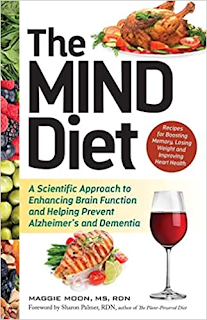
Diet can have a significant effect on the brain.  The researchers found that people got the most benefit when they followed the Mediterranean Diet, the MIND Diet or the DASH Diet.  They are all similar and effective at slowing cognitive decline.  If you are not familiar with the MIND diet, you will find it helpful to check out this link to the book:  "The MIND Diet: A Scientific Approach to Enhancing Brain Function and Helping Prevent Alzheimer's and Dementia."  (Ad) It is an interesting book and could add years to the functional usefulness of your brain.  What is the point in living longer if we lose our brain function along the way?

No supplements, including widely advertised ones like Prevagen, were found to have cognitive benefits.  However, Dr. Hitt suggested that it was OK to take supplements which would not harm you, were inexpensive, and which make you feel better.  These included Vitamin D3, B12, Omega-3 fatty acids in fish oil, and Turmeric.  However, he said that the commercially prepared special brain formulations did not have any particular benefit in preventing or postponing dementia in the testing they did on the products.


While enjoying physical activities during retirement, don't forget the benefits of gardening.  You can grow your own food, get exercise, get a natural source of Vitamin D, and benefit in other ways.  

If you know someone who gardens, you can get them this lovely t-shirt or the matching coffee mug at my Etsy store.  They are both made with photos of hydrangeas from a neighbor's garden! Opening an etsy shop is one way I have tried to stretch my brain, because it has required me to learn how to do many new things online. 

You can find gifts for retirees and others at my Etsy Store, DeborahDianGifts.  Many of the gifts are made with photos I have taken and had turned into a variety of products.  Check my shop out here:   

http://www.etsy.com/shop/DeborahDianGifts


Enjoyed this post? Never miss out on future posts by following us.  You will receive a weekly email with the most current post. 

If you are interested in learning more about saving money, financial planning, Social Security, Medicare, where to retire, common medical issues as you age, travel and more, use the tabs or pull down menu at the top of the page to find links to hundreds of additional helpful articles.

Disclosure: This blog may contain affiliate links. If you decide to make a purchase from an Amazon ad, I'll make a small commission at no extra cost to you.

You are reading from the blog: http://www.baby-boomer-retirement.com

Photo credits: UCI slides by Dr. Brian Hitt, and Amazon book cover

Thursday, July 7, 2022

Fake Government Scams - Do Not Fall for Fraud

Most of us are afraid to simply hang up on someone who says they are a government official, especially if they insist they are contacting us on behalf of some state or federal agency.  Sadly, scammers are now taking advantage of this fear by impersonating IRS agents, Medicare officials, Social Security officers, FBI agents and other government officials.  They may also call and say they are with your local police or Sheriff's department, the fire department or any other government agency you can think of ... and some you may never of heard of!  

These people have no limitations on what they will threaten, if they believe they will be able to get you to either give them personal information (like your Social Security or Medicare number) or get you to pay them for some "fine" which they insist you owe.  Far too many people fall for these scams. 

What are the scams which are currently making the rounds?

Medicare Scams - An official sounding scammer may call you and say they are sending you a new Medicare card, but they need to confirm your Medicare number before sending it out.  Never give out your Medicare number to anyone other than your medical provider, during your first in-person visit to their office.  No one should ever ask you for that number over the phone.  No one from Medicare will ever call to ask you that information.

Grant Fraud - If you are a small business owner or the victim of a natural disaster, you may be eligible to file for a grant to get financial assistance.  However, you will never be asked to send in money as part of any government application process.  If you are eligible to apply for a federal grant, your should make sure you are absolutely certain that you are applying through the website of the actual applicable government agency.  Double-check the URL on the site.  In most cases, it will end with .gov.  If you have any questions, try to call the agency and make sure you are not putting your personal information on a fraudulent site.  

Social Security Scams - There are many ways that scammers try to get people to reveal their Social Security numbers.  However, a fairly recent scam is one where someone calls and tells you that your Social Security number and bank account number have been compromised and you should transfer your money, sometimes in the form of Bitcoin, into a new secure account the official has supposedly set up for you.  Do not do it!  Never transfer your money to a new account because someone has called you.  If someone contacts you and you are uncertain what to do, go in person to your local branch of Social Security or your bank and talk to an employee there.  Never give out information over the phone, even if you feel pressured. Bank and Social Security employees have been trained to help people avoid these types of scams, but they can only help if you tell them what is going on.

Student Loan Tricksters - Some people have been called and told that an agent was processing their student loan forgiveness application.  The agent says he just needs to get their Social Security numbers and bank information to complete the process. Once again, never reveal this information over the phone to anyone.  The real student loan processing companies have web sites where you enter any necessary information.  Again, make sure you are on the legitimate website of your loan processor. If the URL does not look right, call them and make sure you are using the correct one.  Also, compare the URL of the website to the information printed on your original loan documents.  

FBI Scam - Do not believe it if a supposed "FBI agent" calls to tell you that you need to send money to the government, whether it is to cover the fees for winning a sweepstakes, or for any other reason.  The FBI does not make "surprise" calls and ask for money.  In fact, neither does the IRS or other government agencies.  Any time a government agency needs to contact you, they will do so first by U.S. mail.

What You Should Know About the Government Contacting You 

The government will not call and ask for personal information.  They already know it.

Important documents from the U.S. government are sent by U.S. Mail

The government will also not contact you through social media, text messages or email.

The government does not randomly offer to send you grant money.  You have to apply through the appropriate agency for a specific reason.

The government will not ask you to send them money up-front before they will pay you a benefit, a grant, or give you a refund.  

The government does not call and threaten to suspend benefits or bully you into revealing personal information.  As stated before, if there is ever a question about something, they will contact you by U.S. Mail and you can follow up with the appropriate agency. 

The government will NEVER ask you to send them money using prepaid gift cards, wire transfers, or cryptocurrency, such as Bitcoin. 

If you keep the above warnings in mind, you should be able to avoid most of the scams that are going around.  Hang up immediately on anyone who calls and pretends to be from the government, unless you have a reason to expect the phone call ... for example, when you have already contacted a government agency by mail or phone and they are returning your call.  Even when this happens, government representatives will not demand payments over the phone, put pressure on you to make an immediate payment, ask you to reveal personal information, or ask you to make payments using gift cards or Bitcoin. 


You can find gifts at my Etsy Store, DeborahDianGifts:
  http://www.etsy.com/shop/DeborahDianGifts


Enjoyed this post? Never miss out on future posts by following us.  You will receive one weekly email containing the most current post. 

If you are interested in learning more about financial planning, Social Security, Medicare, where to retire, common medical issues as you age, travel and more, use the tabs or pull down menu at the top of the page to find links to hundreds of additional helpful articles.

Disclosure: This blog may contain affiliate links. If you decide to make a purchase from an Amazon ad, I'll make a small commission at no extra cost to you.

You are reading from the blog:  http://www.baby-boomer-retirement.com

Photo credits:  Morguefile

Monday, June 27, 2022

Medication and High Blood Pressure - What You Need to Know

About 75% of people over the age of 60 have high blood pressure, and this increases their risk of having a heart attack or stroke.  If you are one of those people, and you have been trying without success to lower your blood pressure by eating healthy and getting exercise, you may be surprised to discover that the real problem could be some of the medications you are taking, including over-the-counter drugs.  

How can you find out which drugs are most likely to cause your blood pressure problems?  Is there a way to reduce your risk?

Over-the-Counter Medications which Raise Blood Pressure

Two common NSAIDS which can raise your blood pressure, especially when taken in high doses or for a long time, are Ibuprofen and Naproxen.  In addition, they can also reduce the effectiveness of the medications your doctor might prescribe to help you lower your blood pressure.  

Other medications which raise blood pressure are things you might pick up at your local grocery store or pharmacy, including cold and cough medicines, decongestants and certain antacids which are high in sodium. Carefully read the labels to see if any over-the-counter medication you are taking should not be used by someone with high blood pressure.

You should also avoid weight-loss stimulants, as well as some herbal remedies and dietary supplements.

If you take any of these over-the-counter medications, your doctor may not be aware of it.  Make sure he knows exactly what you are taking, how much of it, and for how long.  Make a list of everything you take, including over-the-counter medications, and bring it with you to your doctor appointments. Your physician may be able to help you find a safer option. 

Prescription Drugs Which Can Raise Blood Pressure

If you are struggling with high blood pressure and cannot understand why it is so hard for you to control it, you might also ask your pharmacist or doctor to go through your list of prescription medications with you and see if one of them could be causing your problem.

Antidepressants, including fluoxetine, monoamine oxidase inhibitors, and tricyclic antidepressants, are one category of drugs which could raise your blood pressure.  Even if you successfully took one of these antidepressants for years, you may have to change to a different one as you age and develop new health problems.

Another category of drugs which raise blood pressure are the oral steroids which are often prescribed to treat conditions such as gout, lupus, rheumatoid arthritis and other types of inflammation. 

If you have an autoimmune disease or cancer, your doctor might prescribe immunosuppressants, central nervous system stimulants, or other drugs to treat your condition. These drugs can also increase your blood pressure.


How to Protect Yourself from Dangerous Medication Combinations

If you have high blood pressure and other indications that you are developing heart problems, you may want to try reading the highly rated book shown here: "Prevent and Reverse Heart Disease."  (Ad)  It could help you learn how to counteract some of the health issues you have been experiencing, and get you back on the road to feeling better.

In addition, discuss your health treatments with your physician. Obviously, if you are taking a life-saving drug to help you deal with depression, cancer or some other serious illness, that may be more important than a minor increase in blood pressure. However, if your blood pressure becomes seriously high, you may want to talk to your doctor about potential alternatives.

Do not forget that your pharmacist is also a valuable resource. Try to fill all prescriptions at one pharmacy.  Their computer system will automatically alert the pharmacist if you are prescribed a drug which might be inappropriate for you.  Most pharmacists are also willing to spend time discussing your prescriptions with you and may be able to recommend alternatives that your doctor does not know about. If you are regularly taking an over-the-counter medication, or trying to find something to take for a cough, cold or allergies, your pharmacist may be able to make recommendations which will not raise your blood pressure.

Knowledge is power. We all need to be aware of how the things we put in our bodies can affect us, and be willing to take advantage of all the resources available to us.  

Source of facts: AARP Bulletin, October 2021

Buy this at: etsy.com/shop/DeborahDianGifts
Looking for ways to turn your home into a place of relaxation and tranquility? You can find home decor items, like this framed photo of the giant California redwood trees, plus  gifts for retirees and others at my Etsy Store, DeborahDianGifts at: http://www.etsy.com/shop/DeborahDianGifts


Enjoyed this post? Never miss out on future posts by following us.  You will receive one weekly email containing the most current post. 

If you are interested in learning more about financial planning, Social Security, Medicare, where to retire, common medical issues as you age, travel and more, use the tabs or pull down menu at the top of the page to find links to hundreds of additional helpful articles.

Disclosure: This blog may contain affiliate links. If you decide to make a purchase from an Amazon ad, I'll make a small commission at no extra cost to you.

You are reading from the blog:  http://www.baby-boomer-retirement.com

Photo credits: Pixabay - StevenPB and Amazon book cover

Friday, June 17, 2022

Train Your Working Memory to Improve Cognitive Function

UCI Memory Lab Brain Training Helped Me.
In the summer of 2018, I took a brain class from a local community college, which started me on a journey to protect my cognitive ability, to the extent possible.  I was in my late 60s at the time.  During that class, a guest speaker from the University of California - Irvine MIND Program asked us to sign up for their C2C registry, which stands for "Consent to Contact."  They use this registry to find people who are willing to participate in a variety of studies to help them test different programs which might improve the memory of people as they age. I was excited to join their program!  If you have a research university near you, you might be able to enroll in a similar opportunity.

APT Webstudy

The first program UCI directed me to try has been the APT Webstudy, which is available to anyone, anywhere for free over the internet.  You can try it, too.  Since 2019, I have logged on, as instructed, every three months and used their online program to test myself to see if there has been any changes in my working memory.  Working memory could also be thought of as your very short-term memory, or your ability to keep track of things going on right now.

The program consists of doing a self-report on my memory, and then playing four games on the screen to test myself.  The tests consist of looking at a series of playing cards and trying to remember whether I have seen that card earlier in the test.  

The APT Web Study takes me about 20 minutes every three months, which means the time commitment is minimal. So far, my scores have remained remarkably stable, going up and down by only a small amount over the past three years. That is ideal.  The program describes itself as an Alzheimer's Prevention Trial for people over the age of 50.  I don't know that it will prevent Alzheimer's Disease, but it will provide you important clues to watch and discuss with your doctor if your scores begin to change.  If you want to try it out and track your memory yourself, you can find the free program at:  


I have found it very reassuring to be able to test myself every few months and confirm that my working memory continues to operate normally. However, this test does not seem to do anything to improve my memory, as far as I can tell.  It is possible, however, that it is slightly training my working memory, which is a benefit in itself.

Next I Tried tDCS Brain Stimulation

In May of 2022, I also agreed to participate in a more active type of brain training involving the use of tDCS electrical stimulation on my brain, while I simultaneously completed a series of memory activities under the supervision of researchers. This study took place at the UCI Working Memory and Plasticity Lab under the direction of Dr. Susanne Jaeggi, with the help of a number of research assistants.  According to their brochure, they "have developed an intervention on cognitive training and successful aging.  The aim of the intervention is to optimize opportunities for cognitive health and wellbeing in older adults."  Anything that could help me achieve more successful aging sounds like a good program to me!

Over the past decade the researchers at the UCI Memory lab have "developed computerized interventions to improve learning and memory in diverse populations ... focused on working memory."  

They have used their interventions to train several hundred children, young adults, and older adults (like me!).  They have also found that just a couple of weeks of training improved working memory for at least several months, with the hope that the benefits will last much longer.   According to their research "the more you train, the more you improve."  

What Happened During the tDCS Experiment?

The first session began with a series of sixteen words which I was shown briefly. Then I was asked to recall as many as possible.  Afterwards, I was hooked up to the tDCS device, with two electrodes strapped to my head.  The letters stand for Transcranial Direct Current Stimulation. It is described as "a non-invasive, painless brain stimulation treatment that uses direct electrical currents to stimulate specific parts of the brain. A constant, low intensity current is passed through two electrodes placed over the head which modulate neuronal activity."  It has been used for several years as a treatment for depression and now they are doing research to see if it can also improve working memory.  Early research indicates that it may be effective. The idea of trying it sounded exciting to me, and also a little scary.  

While wearing this equipment, I used an iPad to perform a number of memory tests, which were in addition to the word memory test which I had been given at the start of the session.  The computer tests consisted of being shown an object, animal, plant or number and then recalling whether it was the same as the item I had watched scroll by briefly on the computer screen one back, then two back, and eventually three back.  

In other words, I might be shown a lemon, then an orange, then an apple, then a lemon, then a pear, then an apple, and so on.  When I got to the second lemon, I had seen it before "three back," so I clicked on it.  I had to keep on my toes, because I had also seen the apple three back, and I had to click on it.  I confess that at times I got confused about when I had seen an object before. Was it two back, three back, or four back?  However, I plunged ahead and tried my best.

After the tDCS electrodes were removed about 30 minutes later, I was asked to recall the words that I had been asked to remember at the beginning of the session!

Following the brain activities, I was taken to another building where they performed an MRI to see how my brain looked on the first day of the training program.

That was the end of the first session.

For sessions two through six, which took place the following week, I did all the same things, except I did not repeat the MRI that week.  At the beginning of each session I was shown a group of 16 new words, and asked to repeat them from memory.  Then, I was asked to recall all the words I could from earlier in the week. By Friday, I was being asked to recall as many of the 80 words I had been asked to memorize as possible! 

After the word recall, I spent about an hour each day in the lab with the tDCS electrodes strapped to my head, while performing a variety of memory matching tests, striving to improve how far back I could remember the items each time.

The following week, I attended session seven, which was a repeat of session one, including the MRI.  The researchers plan to compare the two MRIs to see if my brain underwent any physical changes as the result of the training.  

During the second MRI, I was given a device with two buttons on it. I was shown a series of words and asked to punch either the "yes" or "no" button to confirm whether or not the word I was shown briefly on a screen was a word I had been asked to memorize during the preceding week. I did this while the MRI machine was making its loud, metallic sounds.  It was very challenging and I know I made a few mistakes during the session.


The UCI Memory Lab plans to do a follow-up set of memory tests, plus an additional MRI, in three months to see if my memory and my brain have maintained their training. I certainly hope I continue to benefit from this training. I have noticed that it seems slightly easier for me to remember names and events since my seven sessions at the memory lab. Is it real improvement or am I just imagining it?  It is hard to know for sure.

Meanwhile, I may try some memory games to continue exercising my brain, even though I will not have the tDCS machine to use while practicing the memory games.  One highly ranked workbook I found was the "Memory Activity Book:  100+ Brain Exercises to Supercharge Your Memory."  (Ad) It is certainly worth a try while I attempt to retain as much of my enhanced memory as possible.  Anyone could use this book, or a similar one, to train their own memory.  UCI emphasizes that we all must "use it or lose it" when it comes to keeping our brains active.

I was also surprised to learn that it is possible to purchase your own tDCS device and, in fact, you can look here at a: wide variety of tDCS devices in various price ranges (Ad) and see if one of them could help give your own memory a boost.  I do not know if one is any better than the others, so you may want to read the reviews and discuss it with your private physician.  

The tDCS device I used at UCI did not have any negative side effects on me. I did not experience pain or any type of sensation, either during or after the procedure. However, your experience could be different.  They did question me frequently about whether it gave me a headache, made my scalp itch, cause any rashes, and things like that.  My conclusion from their questions is that some people do have negative side effects.

Brain Classes and Personal Behavior 

In addition to the studies mentioned above, I have continued to take brain classes and attend programs held by various researchers from the University of California at Irvine.   Here are the basics of the personal behaviors you can adopt in order to protect your brain health and retain your memory as long as possible:

Cognitive Engagement or challenging yourself mentally is an important key to brain health.  This means learning new skills, reading books, playing a musical instrument and things like that.

Social Engagement or spending quality time with family and friends, including making new friends, is beneficial to cognition.  The best "brain game" you can play is to be deeply engaged in an interesting conversation with other people.

Diet and Nutrition, or specifically adhering to a "heart healthy" diet such as the Mediterranean diet, is linked to overall brain health and longevity.  One of the most highly recommended diets for brain health is called the "Mind Diet" (Ad) and it is worthwhile to pick up a copy of the cookbook so you can follow their diet plan more closely.  

Physical Activity, including any type of exercise, can produce "beneficial changes to brain structure and cognitive function.  This means that physical activity can actually change the structure of your brain, and it can be virtually any activity you enjoy ... walking, swimming, dancing, gardening, etc.

Sleep is crucial for brain health.  In fact, every session I had with the tDCS machine started with questions about how I slept the night before.  

If you want to age well and maintain a strong working memory and your cognitive ability well into your retirement years, you may want to to take brain classes in your area, participate in any brain training they offer, and adopt the personal behaviors recommended above.  These actions could make a huge difference in the quality of your life in the future. 


You can find gifts for yourself, retirees and others at my Etsy Store, DeborahDianGifts:


To learn more about common medical problems as we age, Medicare, Social Security, financial planning, where to retire and more, use the tabs or pull down menu at the top of the page to find links to hundreds of additional helpful articles.

Disclosure: This blog may contain affiliate links. If you decide to make a purchase from an Amazon ad, I'll make a small commission to support this blog, at no extra cost to you.

You are reading form the blog:  http://www.baby-boomer-retirement.com

Photo credit: UCI Memory Lab and Amazon book cover

Tuesday, June 7, 2022

Mandatory Evacuations - What to Take With You


With wildfires, tornadoes, hurricanes, and floods expected to increase in frequency and intensity in the coming decades, millions of people in the U.S. and around the world are likely to face a mandatory evacuation at least once in their lifetimes. In the best case scenario, you might have plenty of time to prepare, such as when a hurricane is predicted to hit your area in a few days.  On the other hand, a mandatory evacuation could happen without warning and you may have only a few minutes to get out.  The warning could even come with a phone call in the middle of the night, when you are groggy and not thinking clearly.  

Whether you have plenty of time to prepare, or you need to leave in a hurry, everyone should have a plan and a list of everything they need to have with them during an evacuation.  One thing you could do is print this article and post it in a prominent place in your home, where you can quickly review it and use it as a checklist when you need to leave in hurry.  Just add your own notes in the margin about where to find things.

If You Have 15 Minutes or Less to Evacuate

Obviously, if a wildfire is roaring up the hillside towards your home in the middle of the night, you may have to rush out the door in your pajamas, jump in your car, and take off, leaving everything behind. Your life is more important than anything in your home.  

However, in most cases, people have at least a a few minutes of warning that they need to evacuate.  In that situation, below are the most important things you need to make sure you have with you.  Clip out this list and put it in several convenient places in your home, such as in the drawer of your nightstand, on the door of your refrigerator, or some other safe place where it will be easy to find. In an emergency, it is easy to get rattled and forget something obvious, such as your wallet or cell phone.  Having a list will help you stay focused on the most important things you need to do. 

Your family - Try to be sure that everyone is accounted for and in the car with you before you worry about anything else.  


Your pets
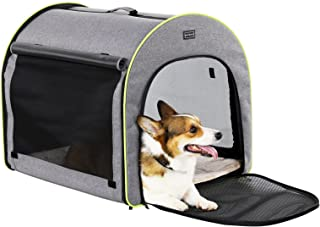
- If possible, put your pets in a small, portable pet kennel (Ad). They come in a variety of shapes and sizes. It will make it easier to control your animals, especially if they become afraid or excited about what is happening.  Put your pets in the car as soon as you can, so they do not panic and disappear.  However, do not delay your evacuation by spending a lot of time looking for them.  If they hide and cannot be found, you may have to leave them behind.  In the event of a fire, let the firefighters know about any missing pets and they will try their best to rescue them.

Your purse and wallet - If you have your wallet and/or purse with you, it means you will probably have your driver's license, some cash, your bank debit card, and credit cards.  This will enable you to rent a hotel room, or purchase food and other items you may need while you are evacuated. 

Your medications - If you are taking any life saving medications, grab a bag and just sweep them into it.  Do not take the time to sort through them.  Just take everything you think you might need.  Once you get to an evacuation center, they can help you replace any medications which you may have missed.


Important documents
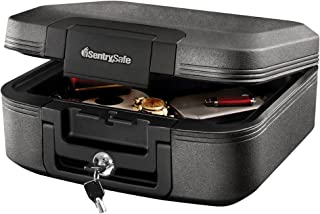
- Ideally, everyone should have a small portable lockbox or fireproof home safe (Ad) that contains your important documents, all in one place.  These documents should include your passports, birth certificates, social security cards and copies of insurance policies, including policies on your home and automobiles. If you store all these papers in one convenient lockbox or safe, it will be easy to grab all the documents you would otherwise not have time to locate.  Later, it will save you time if you do not have to replace your important documents.   You may also want to keep copies of your important documents in a notebook, which you can grab as you rush out the door, even if you have very little time. My husband and I have a notebook which contains copies of our wills, trust, Advanced Directives, I.D.'s, insurance policies, marriage certificates, birth certificates, and other important information we might need in an emergency.

Small electronics - Because most of us have a great deal of important information stored on our phones, tablets, and laptop computers, you want to try to grab these things, along with their chargers, before you take off.  It will make it easier for you to find contact phone numbers of your friends and family, and enable you to let others know you are OK. 

If the items above are the only things you have time to grab, at least you will be leaving with your most essential items.  Hopefully, however, you will have enough evacuation time to toss a few more items in your car.  

IMPORTANT:  If you are fleeing a wildfire, do not spend more than 5 minutes gathering as much as you can before you leave.  Fires can move quickly and you may have less time to get to safety than you think you do.


If You Have an Hour or More to Evacuate

If you have a little extra time to evacuate, you still need to hurry.  This would include situations such as when a fire is in your general area, but has not reached your neighborhood; or when a hurricane has taken an unexpected turn towards you, but is still a few hours away; or when you live in a flood prone area with a major storm headed your way.  In these situations, you might have an extra 30 to 60 minutes to evacuate, or even a little more time, but you still should not linger too long. If you are fortunate enough to have this extra time, what additional items should you take with you?

Make sure you have everything listed above - Do not let yourself get distracted by things you want to take, until you are sure you have loaded everything you need to take. First, double-check that you have everyone in your family, and, if possible, your pets, wallets, medications, small electronics and important documents.  

Secure Your Preschoolers in the car - Strap your youngest children into their car seats, and pack up a few things for them.  Make sure they have a favorite stuffed animal they can cling to.  Things could be very crazy for the next few days, and having their favorite toy will bring them some comfort when they do not understand what is happening.  Make sure you also have diapers, formula, or any other essentials which could be hard to find for a few days.

Let Your School Age Children Grab What they Want -  Give children who are old enough a suitcase or even a couple of trash bags.  Tell them to put some clothing and their toothbrushes in one bag, and a few of their favorite toys in the other.  This could reduce their stress in two ways.  First, you are giving them a task which will distract them from what is happening.  Second, if your home is destroyed, at least your children will have been able to bring a few of their favorite things with them.  Most other things can eventually be replaced. 

Fill a suitcase or a couple of shopping bags with your valuables - Since you have a little extra time, put your jewelry box, small family heirlooms, photo albums, artwork, sterling silver, and similar items in a few shopping bags and put them deep in interior of your car's trunk. These are things you will not need to get out when you stop at a hotel or an evacuation center.  However, it will give you peace of mind to know that they are safely locked in your car.

Fill a suitcase with an armload of clothing - Ideally, you should have a change of clothing, underwear, toiletries and similar items for everyone in your family.  However, this is not the time to pack carefully.  Just grab a few things and stuff them in a suitcase.  You just need enough clothing to last a few days.  If your home is totally lost, local charities or your private insurance will help you replace some of your clothing.

Do a Last Minute Walk-Thru of Your Home - If you have the time, grab a trash bag and your cell phone camera.  Use your cellphone to make a video and quickly document everything you are leaving behind.  It will help with your insurance claims. Meanwhile, fill the trash bag with any last minute things which you would like to bring with you. Suggestions include favorite framed photos, the family Bible, mementos of trips, or a favorite painting still hanging on your wall. Grab anything you can quickly stuff into the bag.  You will cherish these things if you eventually have to replace your home.

Take All Your Cars With You - Although it may seem more convenient to have your whole family in one car, if there is more than one driver in the family, have them each drive one of the cars out of the evacuation area.  You do not want to lose one of your cars, if you can avoid it.  In addition, the extra car will give you more space to take things with you.  If your home is destroyed and you need to stay in temporary housing for a while, it will also be more convenient if everyone has their car with them. 

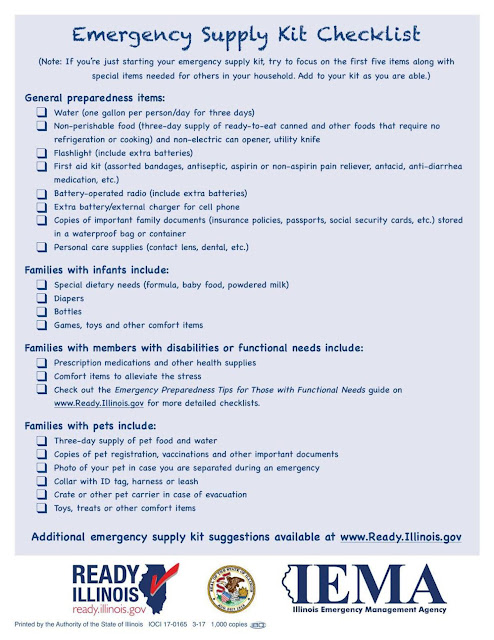
Below is a list from FEMA which you may also want to print out. It includes some of the additional items you may want to bring with you when you evacuate, if you have time.  It includes items you may want to have if you are uncertain about the conditions where you will be staying after an evacuation.  Below it you will find more emergency evacuation information.


How to "Prepare" to Evacuate

About 20 years ago, there were a number of fires burning in our part of California.   Although our home was not in immediate danger, we were told to "Prepare to Evacuate."  This gave us plenty of time to fill our cars with all the things mentioned in the lists above, as well as do a better job packing a suitcase to take with us.  Fortunately, in that case, the fires did not come close enough to our home to necessitate an evacuation, although many other Southern California homes were destroyed.  By feeling prepared to evacuate, however, I was more comfortable knowing that everything portable that I valued was safely locked in my car, and we could have dropped everything and evacuated with a moment's notice.  

How to Pre-Plan for an Evacuation

Do you live in an area where evacuations are common?  Perhaps you live in an area which gets hit by a hurricane every few years, or occasionally floods.  You might live near a national forest that is prone to wildfires.  If this describes your situation, you may want to pre-plan for a potential evacuation. Here are some of the steps you can take long before you get an evacuation notice:


Fill a back-pack or "get away bag" for each member of the family
- This get-away bag (Ad) should contain a couple of changes of clothes, underwear, a jacket, an old pair of tennis shoes, and basic toiletries such as toothpaste and a toothbrush. Be sure to include a small supply of essential medications. If you have growing children, you should repack the bags at least once a year.

Pack an extra bag with copies of important documents - Make copies of your birth certificates, social security cards, driver's licenses, insurance papers, and other important documents.  Put them in your bag, along with a list of important phone numbers you may need to know in an emergency. You may want to include a small amount of cash, in case local ATM machines are out-of-order during an evacuation.  Keep your original documents in a small fireproof home safe (Ad), and keep an extra set of the safe keys in your get-away bag.  In case you have to evacuate in a hurry, and you have time, you can add your safe, lockbox and small electronics to this backpack and take off quickly.  If you are unable to take the safe with you, there is a good chance it will survive some types of disasters and you can find it after the emergency has passed.

Having get-away bags will also be convenient if you and your family leave your home each morning for school and work.  In an emergency you would not be able to return home to get important belongings. In that event, you can keep the get-away bags in your car.   If there is an emergency evacuation in your neighborhood, you can simply pick up your family members at their jobs or school and go to the evacuation center or a hotel. In a crisis, you would know that you have some basic necessities for each member of the family, as well as copies of important documents. It is likely that if you were away from home during the day, you would also have your cell phones and, possibly, other small electronics with you. It would not be an ideal situation, but it would be better than being caught by surprise without anything you might need.   

After An Evacuation - What Happens?

Fortunately, most of the time you will all be able to return home safely after the emergency is over, and everything will be exactly as you left it.  You can return your belongings to their rightful places, stow away your get-away bags, and relax. You might even decide to update your get-away bags before stowing them away in the trunk of your car. 

However, if your home is no longer habitable after a disaster, you will be glad you were so well-prepared for evacuation.  You will be able to start over and still have at least some of your favorite belongings with you.  If you have either homeowner's insurance or renter's insurance, many of your lost items will be replaced. 

After most major emergencies, FEMA, state agencies, the Red Cross, and local charities will help you fill out the paperwork to file claims, apply for loans, and get other types of assistance.  These organizations may also be able to help you obtain temporary housing and a few items of furniture and clothing.  Despite this generous assistance, you and your family will feel much better if you also have been able to bring some of your own belongings with you. 

While not everything you own can be replaced, it is important to remember is that you were able to save your family. Anything else you save beyond that will just make it easier for you to recover from a disaster.  The most important thing is that you are able to move on with the people you love and cherish.

Buy this at: etsy.com/shop/DeborahDianGifts

You can find gifts for retirees and others at my Etsy Store, including framed photos like this one of the California Redwood Trees in Humboldt County at my Etsy store,  DeborahDianGifts at this link:  
http://www.etsy.com/shop/DeborahDianGifts


 Enjoyed this post? Never miss out on future posts by following us.  You will receive one weekly email containing the most current post. 

If you are interested in learning more about financial planning, Social Security, Medicare, where to retire, common medical issues as you age, travel and more, use the tabs or pull down menu at the top of the page to find links to hundreds of additional helpful articles.

Disclosure: This blog may contain affiliate links. If you decide to make a purchase from an Amazon ad, I'll make a small commission at no extra cost to you.

You are reading from the blog:  http://www.baby-boomer-retirement.com

Photo credits: Pixabay

Friday, May 27, 2022

The Elderly Homeless Crisis in America

My husband and I have volunteered in a local homeless shelter for about five or six years, and one of the things which has stunned us is how many of the homeless are elderly and/or disabled.  We have seen people with missing limbs who have been picked up in their wheelchairs by younger homeless men, and carried into the shelter.  We have seen people who use walkers struggle up to the food line to get their dinner.  We have been deeply moved when we watch the able-bodied homeless people reach out to help their elderly companions, by filling or carrying their plates for them.  There can be amazing kindness and humanity in a homeless shelter.

Why Does Senior Homelessness Happen in America?

While there are many issues which cause people to fall into homelessness, one of the most common reasons is simply because their income is inadequate to pay rent, and there are not enough affordable apartments available for low income people.

Typically, this happens when an older American loses a job, goes through a divorce, or becomes widowed, and they are suddenly expected to survive on their inadequate retirement or disability income.  When someone loses a spouse, the change from having two incomes to only one income can be devastating for many senior citizens, because they may no longer to able to handle their fixed expenses like rent and utilities.

The decline in their financial situation may happen slowly.  They use up their savings and gradually fall behind in their rent and other bills.  They may try living temporarily with a relative, if they have one who is willing and able to take them in.  If that does not work out, they may decide that they will live "temporarily" in their car, while they try to save enough to rent an apartment.  Meanwhile, rents continue to rise, affordable housing is scarce, Section 8 vouchers require long waits, and homeless continue to live in their cars or, when they can no longer keep their cars running, they end up on the street.  It is more common than you think.

The Number of Homeless Seniors is Expected to Increase

Older Americans make up around one-third of the homeless. According to a caseworker in one of Arizona's largest shelters, "These are not necessarily people who have mental illness or substance abuse problems.  They are people being pushed into the streets by rising rents."

As of 2017, the Annual Homeless Assessment from HUD revealed that the percentage of homeless people over the age of 50 who are in emergency shelters or transitional housing rose from 22.9% in 2007 to 33.8% in 2017.  More recent numbers are not available because HUD now lumps all adults over age 25 together.  This may conceal the problem, but does nothing to solve it.  Personally, I have seen far too many senior citizens struggling to survive in shelters.

Researchers believe that the number of seniors who are homeless will TRIPLE from about 40,000 to 106,000 by 2030, when the last of the Baby Boomers reach age 65.  This will continue to be a growing crisis unless the problem is addressed with a dramatic increase in affordable senior housing.  

Low Income Baby Boomers are Hit the Hardest

Many Baby-Boomers who are in their late 50s or 60s, even those who may still be working, do not have pensions or 401(k) accounts.  About half of men and women between ages 55 and 66 do not have any retirement savings at all.  

Many of those who end up homeless also have very small Social Security checks, because they had jobs which were low paying or "off the books" during most of their working years.  In other cases, they are not old quite old enough for Social Security, but they lost their last job during the pandemic or for other reasons and, because of their age or health, they have not been able to find another one that pays well.  For a while they can receive unemployment benefits but, eventually, those run out.

Some who have very low Social Security benefits may qualify for Supplemental Security Income, which was about $841 a month in 2022.  That may help them with a few expenses, but in most parts of the country it is not enough for them to afford to rent an apartment.

Life is Especially Difficult for Disabled Seniors


Homeless senior citizens create new issues for social workers.  It is more complicated to house people who are older, sicker and may be developing dementia or serious chronic illnesses.  Homeless shelters have to make sure they are compliant with the Americans with Disabilities Act. (The homeless shelter where I volunteer installed a ramp to the entrance during the pandemic. Prior to that, the disabled residents had to be carried into the shelter by other homeless people.)

You can learn a little about what they go through by reading the book, "Homeless: A Day in the Life - A Homeless Veteran's Tale."  It could give you a deeper understanding of the homeless crisis.

For many disabled seniors, just getting to and from the shelters can be a challenge, since they are often in less desirable parts of cities.  The disabled seniors frequently have to navigate rough neighborhoods using wheelchairs, walkers and canes over cracked sidewalks.  Sometimes they end up becoming the victims of violence because they do not have a safe place to live.

Because many shelters require the occupants to leave during the day, the elderly must move around the streets of their city, looking for protection from bad weather on buses, trains or in libraries. They are often vulnerable to thieves or, even worse, violent attacks.  As the number of elderly homeless people grow, this problem will become increasingly more serious. 

The Solution to the Elderly Homeless Crisis

Housing.  Our country needs more affordable, supportive housing for low-income seniors, as well as for other homeless people with special needs such as the mentally ill or the addiicted.

The ONLY way to solve a homeless crisis is to provide people with supportive housing. That means the elderly will have access to the essential assistance they need ... social workers, help applying for housing, food, and utilities, plus access to transportation, medical care, and similar essentials.  

The provided housing for the elderly does not need to be fancy.  It does not need to be spacious.  However, it needs to be safe and provide some security.  It also does not need to be entirely free.  It is not unreasonable to expect the homeless to pay approximately 30% of their income for rent, whether that income is from Social Security, SSI, disability, or a low paying job.  For someone on SSI who is living on around $900 a month, this means they could pay rent of approximately $270 a month.  This would defray the cost of maintaining the housing, while allowing the homeless person enough money to buy food and pay for their bus fare.

Although younger homeless adults may need different solutions, such as job training, drug rehab, or better mental health treatment, there is only one solution for a senior citizen, especially those in poor health with limited options.  That solution is safe, affordable housing for the most vulnerable people in our society.  

In addition to supportive housing, there are some cases in which they may need to be housed in a nursing home or memory care facility, which may require that someone, such as a Social Worker, can help them complete the necessary paperwork to show that they qualify for VA care, Medicaid and/or Medicare. 

Whatever Americans decide to do to house the poorest of our elderly, it is time to start building the necessary housing and facilities, before it is too late, and tens of thousands more end up on the streets of our cities.


Do you know someone who is recovering from alcoholism or drug addiction? You can find sobriety gifts, and gifts for retirees and others at my Etsy Store, DeborahDianGifts.  Check them out here: 
  

http://www.etsy.com/shop/DeborahDianGifts


To learn more about common medical problems as we age, Medicare, Social Security, financial planning, where to retire and more, use the tabs or pull down menu at the top of the page to find links to hundreds of additional helpful articles.

Disclosure: This blog may contain affiliate links. If you decide to make a purchase from an Amazon ad, I'll make a small commission to support this blog, at no extra cost to you.

You are reading form the blog:  http://www.baby-boomer-retirement.com

Photo credit: Pixabay and Amazon book cover


Tuesday, May 17, 2022

Pre-Diabetes can be Reversed - Learn How

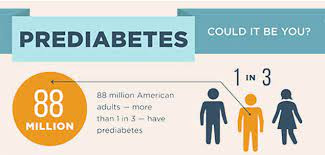
According to the Centers for Disease Control, about 88 million American adults (or about one-third) have pre-diabetes. The CDC estimates that approximately 84 percent of them do not even know they have it!. Pre-diabetes is a condition where blood sugar levels are higher than normal, but not high enough to be diagnosed as diabetes.  It is a dangerous condition because, in about 70 percent of cases, it develops into Type 2 diabetes, which can damage your blood vessels and lead to other health issues, including heart disease.

Fortunately, pre-diabetes can be thought of as a warning, letting you know that there is danger ahead, so it is time to take precautions.  It is not too late to turn things around.  

How to Reverse Pre-Diabetes

Lose Weight - Losing as little as 7 percent of your current weight (or 14 pounds for a 200 pound person), may be enough to reverse your pre-diabetes and lower your risk of it turning into Type 2 diabetes.  Of course, the best ways to lose weight are to increase your exercise routine and eat healthy, low calorie foods.

Eat Healthy - This is such a general statement that most of us need specific help in learning how to eat in a way that could reverse our prediabetes. For example, a healthy dinner would be one in which no more than one-quarter of your plate consists of starchy vegetables like potatoes, corn and peas.  Half should be made up of non-starchy vegetables such as a salad, broccoli, carrots, and similar items.  The remaining quarter of the plate should be filled with lean protein, including chicken, fish and beans.  However, if you would like to learn some simple, delicious recipes to get you started, try "The 30-Minute Prediabetes Cookbook: 100 Easy Recipes to Improve and Manage Your Health through Diet." (Ad) It will set you on the right path to avoiding Type 2 diabetes, and you will learn how to do it with meals you will actually enjoy eating.

Get Exercise - Simply getting 30 minutes of aerobic exercise a day can make it easier to lose weight and get healthy.  Good choices are walking, swimming, and dancing.  In addition, include some stretching, such as yoga, and strength training a couple of times a week  The more you move, the easier it will be to prevent your prediabetes from becoming diabetes.

Get Adequate Sleep - Ideally, you should sleep between 7 and 8 hours a night.  Less than 5 hours of sleep should concern you.  If you are having trouble sleeping, try to avoid using alcohol, caffeine, and electronics in the evening.  If that doesn't work, consult a doctor.  You may have sleep apnea, which can also cause other health problems. In addition, you do not want to sleep too much. That can be a sign of poor health and make it harder to get the exercise you need.

Do Not Smoke - Smokers are 30 to 40 percent more likely to develop Type 2 diabetes. If you continue to smoke after developing diabetes, your symptoms could be worse than that of non-smokers, and they may be harder to control.

Take Prescribed Medications - If you have been prescribed drugs to treat high cholesterol and/or high blood pressure, make sure you are consistent about taking them. These medications can improve your overall health and could even help you live longer. 

If you are serious about avoiding diabetes, you may also be interesting in reading "Prediabetes: A Complete Guide 2021: Prevent or Reverse Insulin resistance and Prediabetes - Ways to Detox to Reverse Prediabetes."  (Ad) It is available as both a Kindle book and Audiobook. It is a comprehensive guide that explains the nine symptoms of Type 1 and Type 2 diabetes, causes and treatment of insulin resistance, information about drugs used to treat diabetes, ways to lower the glycemic index of the foods you eat and more. 

If you take these actions, and lose weight, it is very possible that you will be able to reverse your pre-diabetes and prevent it from turning into Type 2 diabetes.  This is life-saving information.


Do you know someone in Overeater's Anonymous or another 12 Step Recovery Program?  You can find gifts for people who are following a 12 Step recovery program, including both retirees and others at my Etsy Store, DeborahDianGifts.  Check it out here: 
  

http://www.etsy.com/shop/DeborahDianGifts


Enjoyed this post? Never miss out on future posts by following us.  You will receive a weekly email with the most current post. 

If you are interested in learning more about saving money, financial planning, Social Security, Medicare, where to retire, common medical issues as you age, travel and more, use the tabs or pull down menu at the top of the page to find links to hundreds of additional helpful articles.

Disclosure: This blog may contain affiliate links. If you decide to make a purchase from an Amazon ad, I'll make a small commission at no extra cost to you.

You are reading from the blog: http://www.baby-boomer-retirement.com

Photo credits:  Google images - CDC and Amazon book covers

Buy this at:  etsy.com/shop/DeborahDianGifts